Literary fiction, speculative fiction, and selected nonfiction

Stephen’s Haiku in Tricycle Magazine

On Monday, December 1st, I received an email from the Buddhist magazine Tricycle, with the announcement of the winners of the October Haiku Challenge. I was thrilled that my haiku was one of three selected, one of two honorable mentions from among 302 submissions. Here’s an excerpt from the email:

Haiku Challenge Winners for October

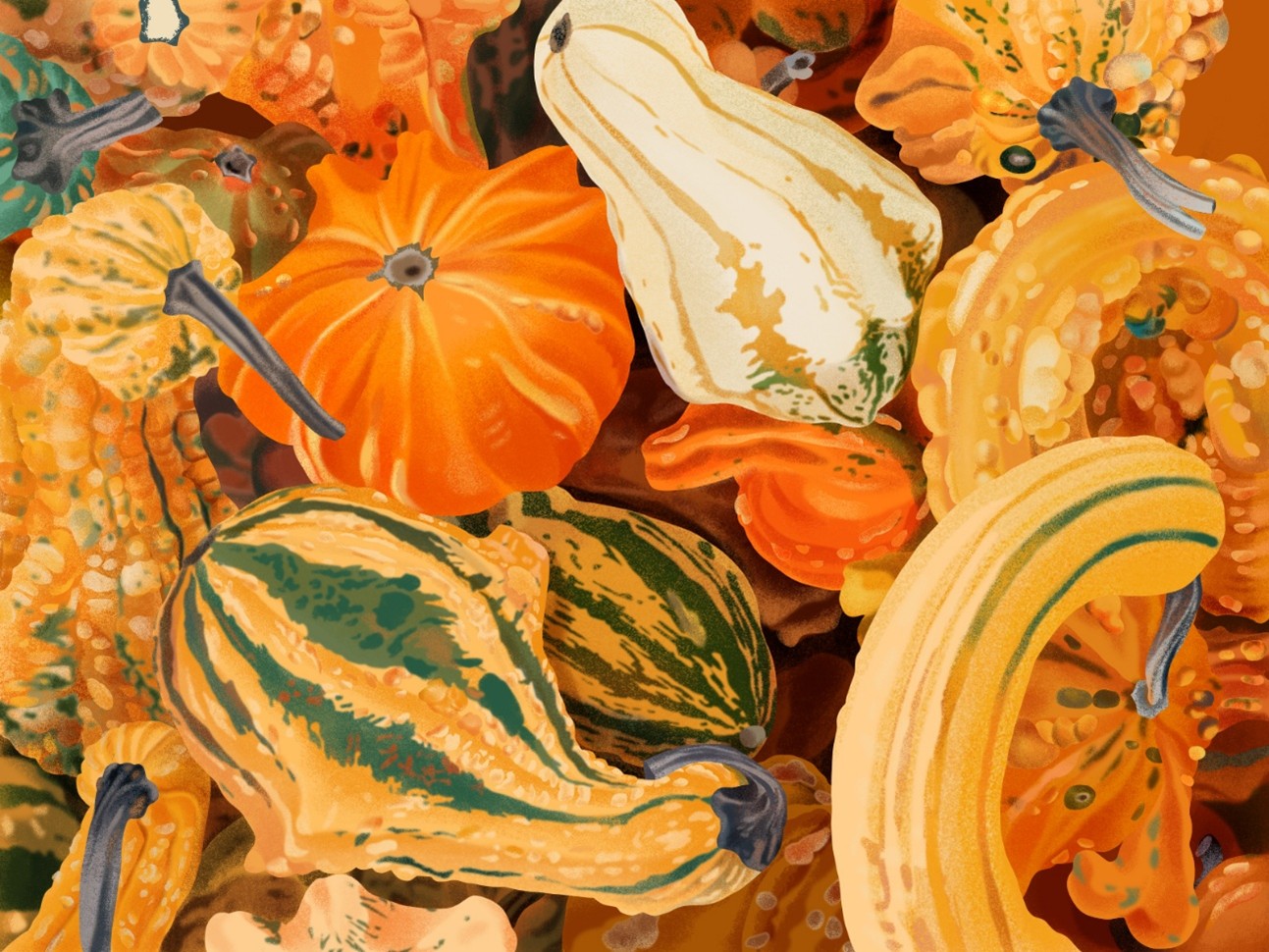
Gourds - Jing Li

Illustration by Jing Li

Thank you for your submission to Tricycle’s Haiku Challenge for October! There were 302 submissions. Here are the winning and honorable mention haikus:

Winner:

  • Dana Clark-Millar uses a gourd rattle to protest a world where even the truth feels like “just more noise.”

    living in a world
    where the truth is just more noise
    I rattle a gourd

Honorable Mentions:

  • Stephen Billias gives an ecological twist to the law of impermanence with a gourd that rots completely, like it was “never there.”

    gourd rots into earth
    quietly and completely
    as if never there

  • Becka Chester finds something comical in the “law of gravity” that affects both her body and the shape of a gourd.

    law of gravity
    everything has descended
    my body — a gourd

Congratulations to all! Read the poems with commentary from Clark Strand here.

Most writers face odds like these in trying to get published. When my good friend and playwriting partner Philip Lenkowsky and I submitted plays to theaters and playwriting contests in 2023 and 2024, we often received rejection notices that began with something like the following sentence: “We received over 800 entries.”

What can we do? Laugh (maybe cry a little) and then carry on. All the writers I know, even those who are published authors, have had the same experience. In On Writing, Stephen King’s wonderful book about the craft, King describes receiving many rejections before his first novel Carrie was accepted. Joseph Heller revealed that the “22” in the title of his novel Catch-22 was a subtle reference to the number of rejections he’d received on the book.

Yet we all keep at it. For some of us it’s habit, for others a compulsion, for still others that strong desire to let our voices ring in the world and perhaps say something that hasn’t been said before, or something that might help heal our troubled world.

Can a seventeen-syllable poem change the world? I believe it can, if it transforms even one person. What do you think?

Stephen

P.S. Bela and I thank you for being a part of our online writing world. We appreciate you, and we plan to share more exciting writing news early in the coming year.

WP-Backgrounds Lite by InoPlugs Web Design and Juwelier Schönmann 1010 Wien